
Two Trees in One
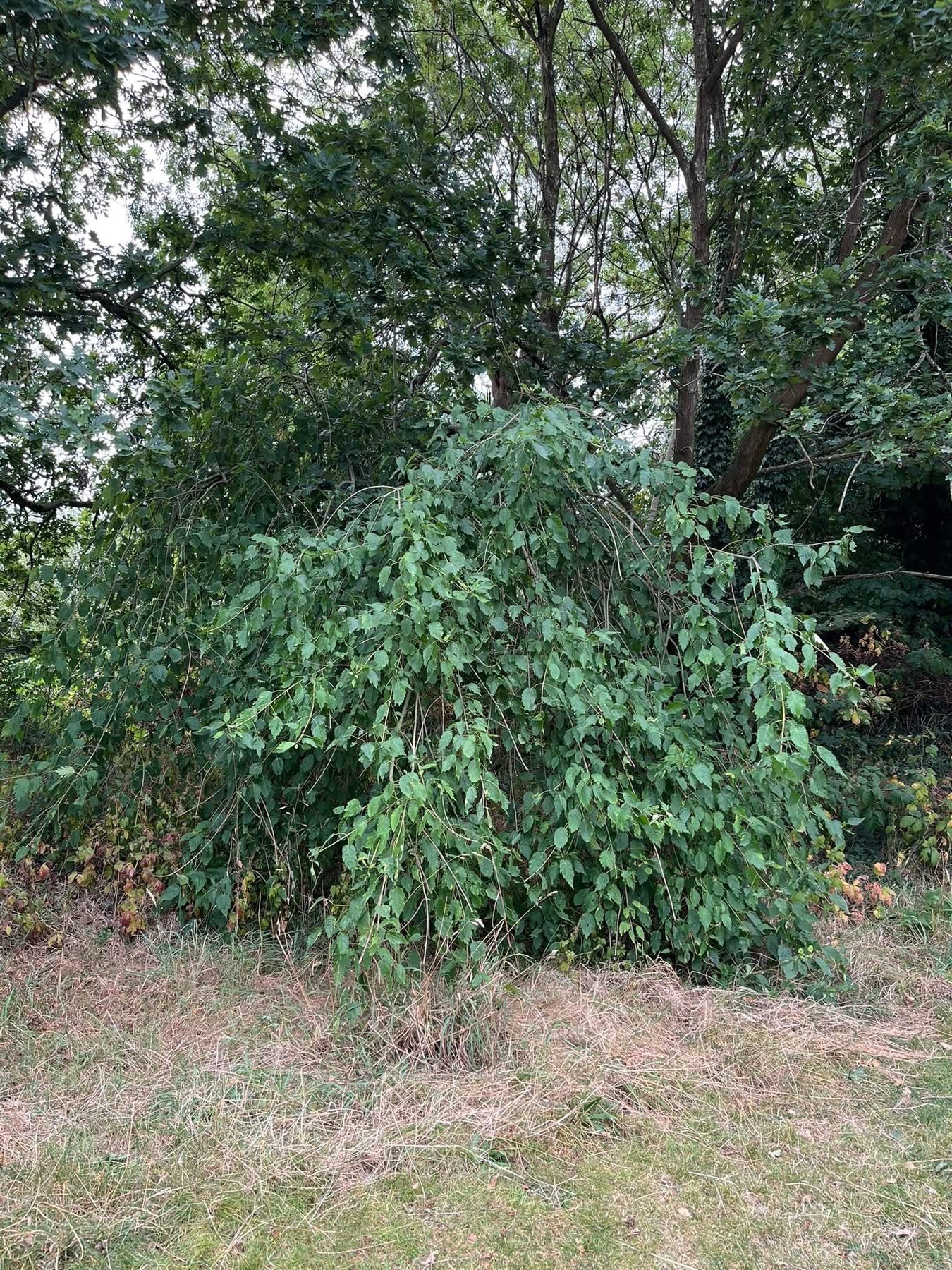
Look closely at this ash tree and you’ll spot something unusual…
Most of the branches have simple, single leaves, while one upright shoot has the classic feathery, pinnate leaves of a typical ash. It raises a fair question: how is one tree producing two completely different leaf types?
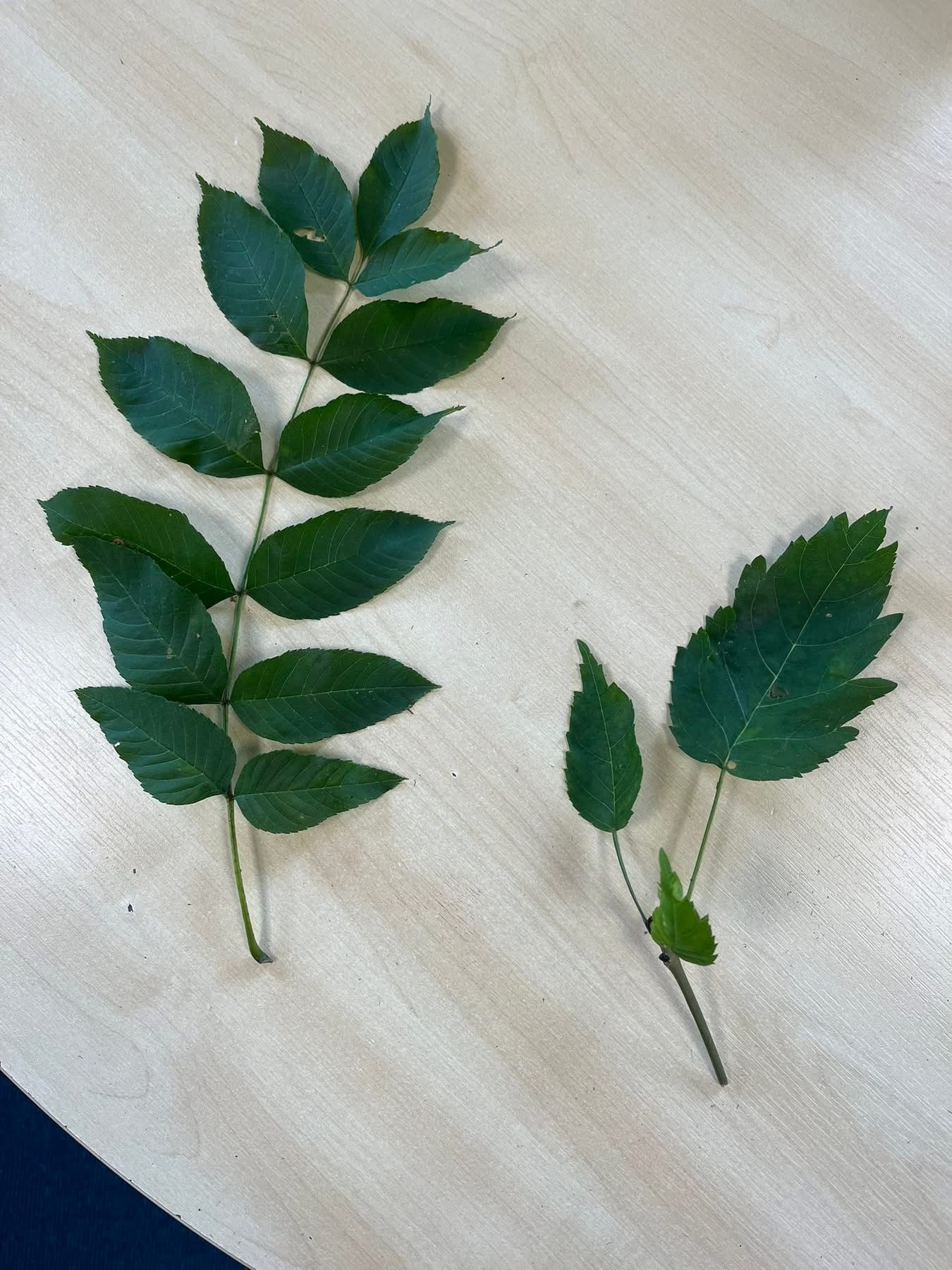
This tree is actually a combination of two forms of Fraxinus excelsior. The main tree is a cultivated variety, chosen for its unusual leaves and grafted onto a standard ash rootstock.
Our native ash, Fraxinus excelsior, normally has compound leaves made up of several leaflets along a central stem. Once you know what you’re looking for, it’s pretty consistent. So the simple leaves on most of this tree are unusual.
The most likely explanation is that this is a cultivated form of ash, selected because it looks different, in this case with simple leaves instead of compound ones.
To grow and maintain that trait, it would have been grafted onto a standard ash rootstock. This is a long-established horticultural technique where the top of one plant is joined onto the roots of another.
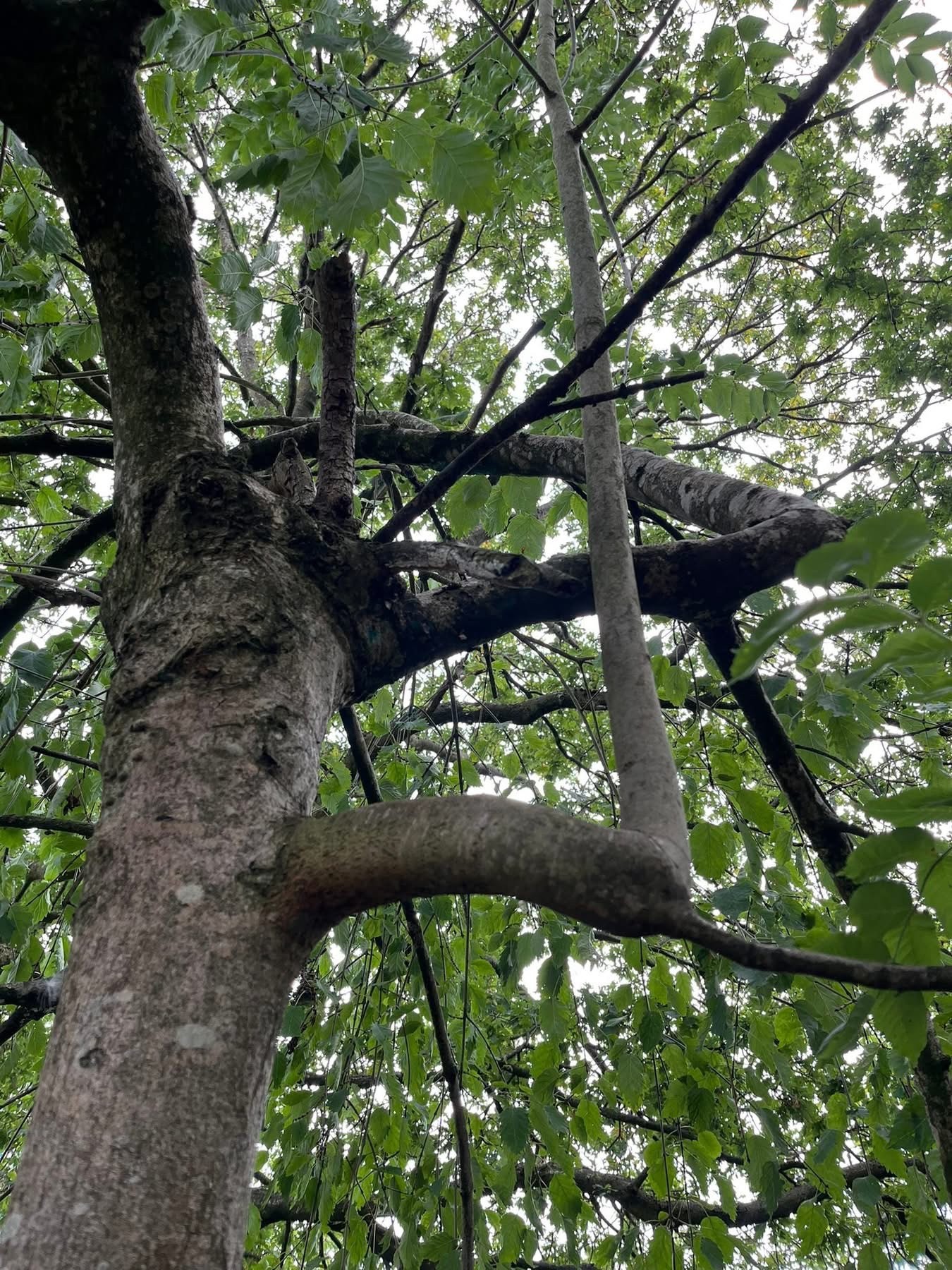
Sometimes the rootstock sends up shoots of its own. The upright branch you can see is the original wild ash growing back, with its typical leaf shape.
These shoots are often more vigorous and upright, which is why this one stands out so clearly from the rest of the tree. If left unmanaged, the rootstock growth can eventually dominate.
It’s a good example of how many park trees are shaped by both horticulture and natural processes.
You can find this and more interesting trees on our Tree Trail.