
What’s living in our lakes?
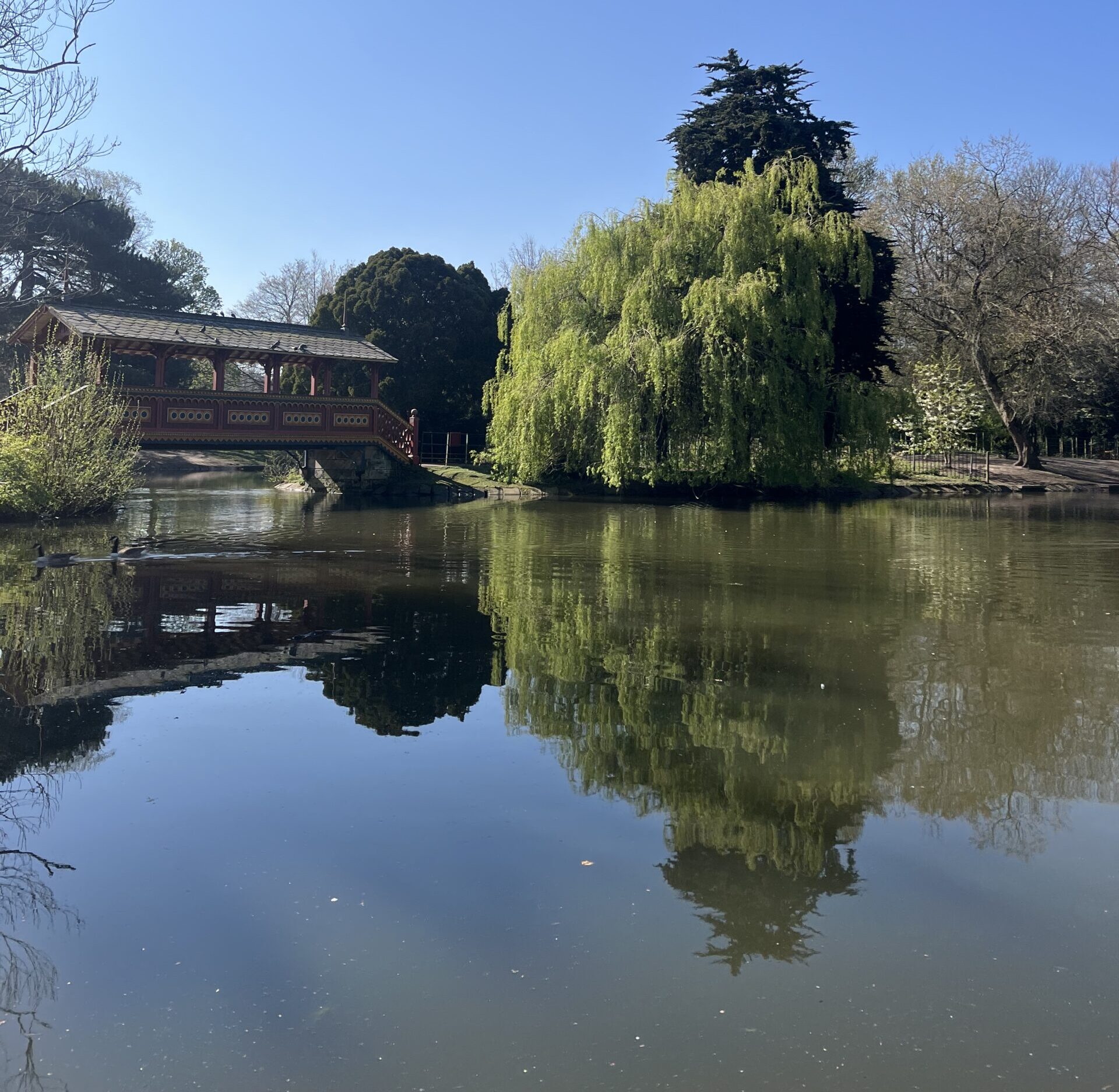
Last week we carried out an aquatic invertebrate survey on the Lower Lake, and it’s safe to say it is teeming with life! With help from our brilliant work experience student Mila, we dipped nets into the margins and brought up samples full of tiny creatures – a whole world that many park visitors don’t even realise is there.
Among the finds were water boatmen, snails, water measurers, freshwater shrimps, and leeches, which are often misunderstood but play a valuable role in the ecosystem. We even found the delicate shed skin of a pond olive mayfly, a sign that mayflies are using the lake to complete their fascinating life cycles. Mayflies, like many invertebrates, are sensitive to pollution, so spotting their remains is a good sign for water quality.
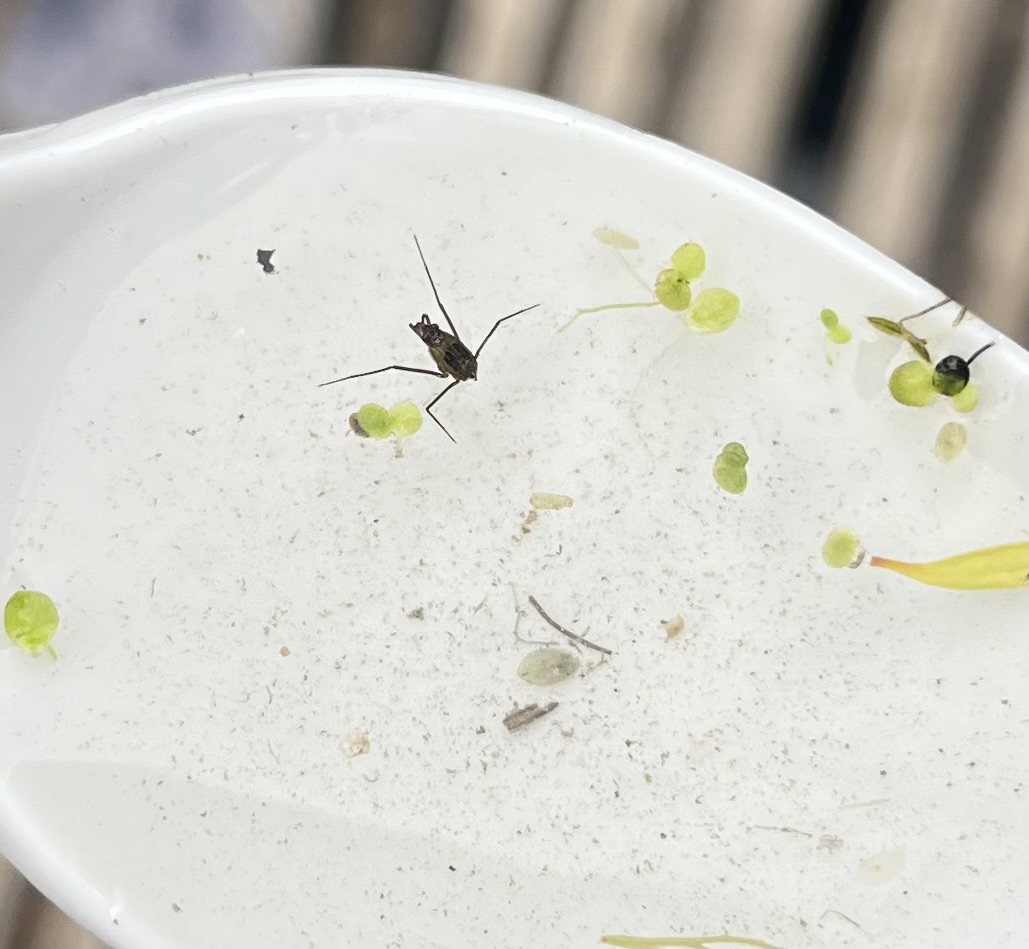
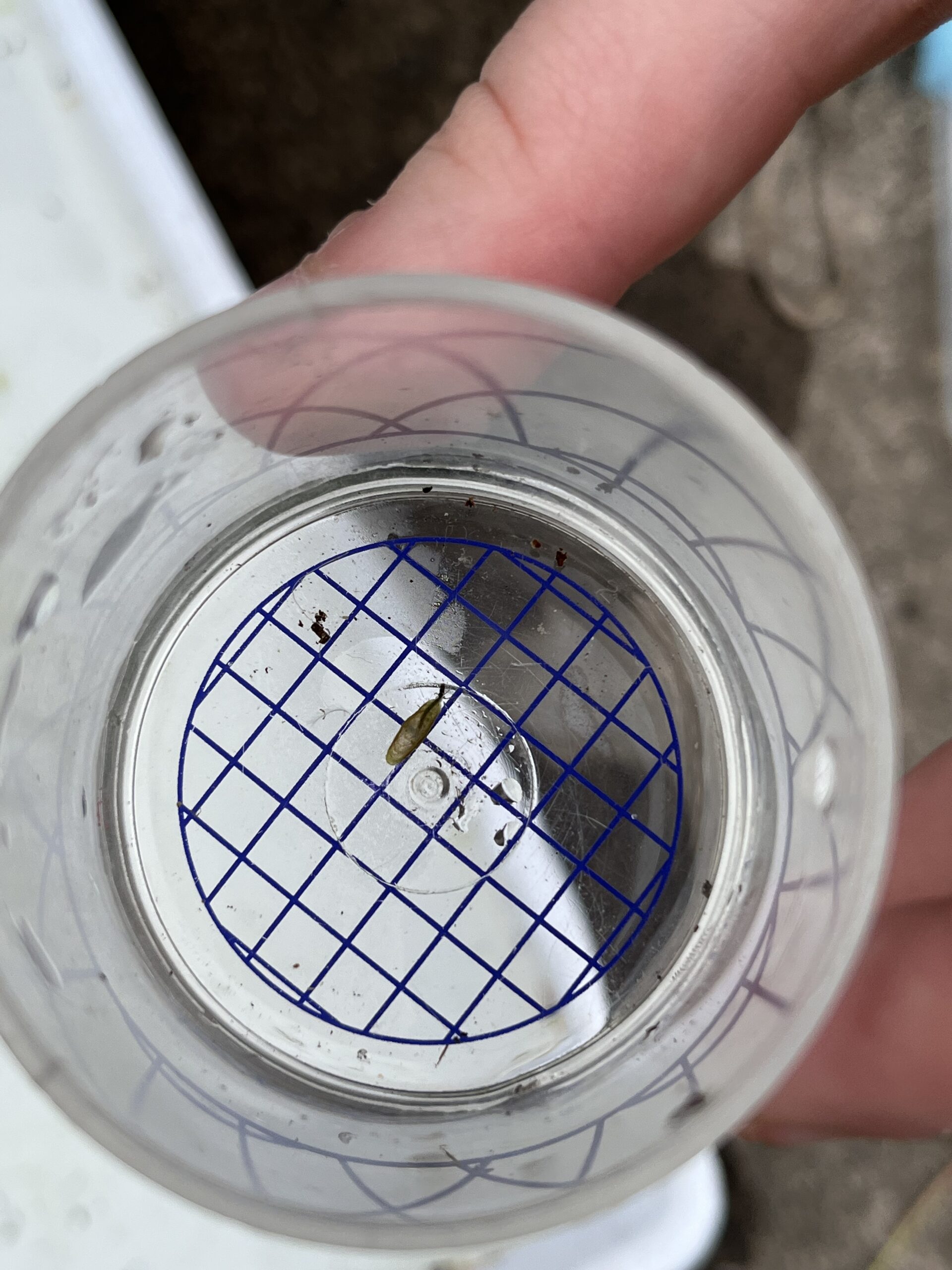
One particularly exciting discovery was a micro-caddisfly (likely Agraylea multipunctata or sexmaculata). These tiny insects build protective cases using fine algal threads, almost like miniature silk sleeping bags. They’re not commonly encountered, and so finding one in the lake suggests the water is supporting a healthy level of biodiversity!
We also spotted copepods, tiny crustaceans visible only with close inspection but vital to freshwater food webs. These are the kind of creatures that support everything else in the lake, from invertebrates to fish and birds.
Though this particular survey focused on invertebrates, we know there’s even more wildlife just below the surface – including fish. Our lakes are home to a variety of species including three-spined sticklebacks, carp, tench, bream and perch. So next time you’re walking around the lake, take a moment to think about the incredible hidden world beneath the surface!
You can find out more about wildlife in the park here.