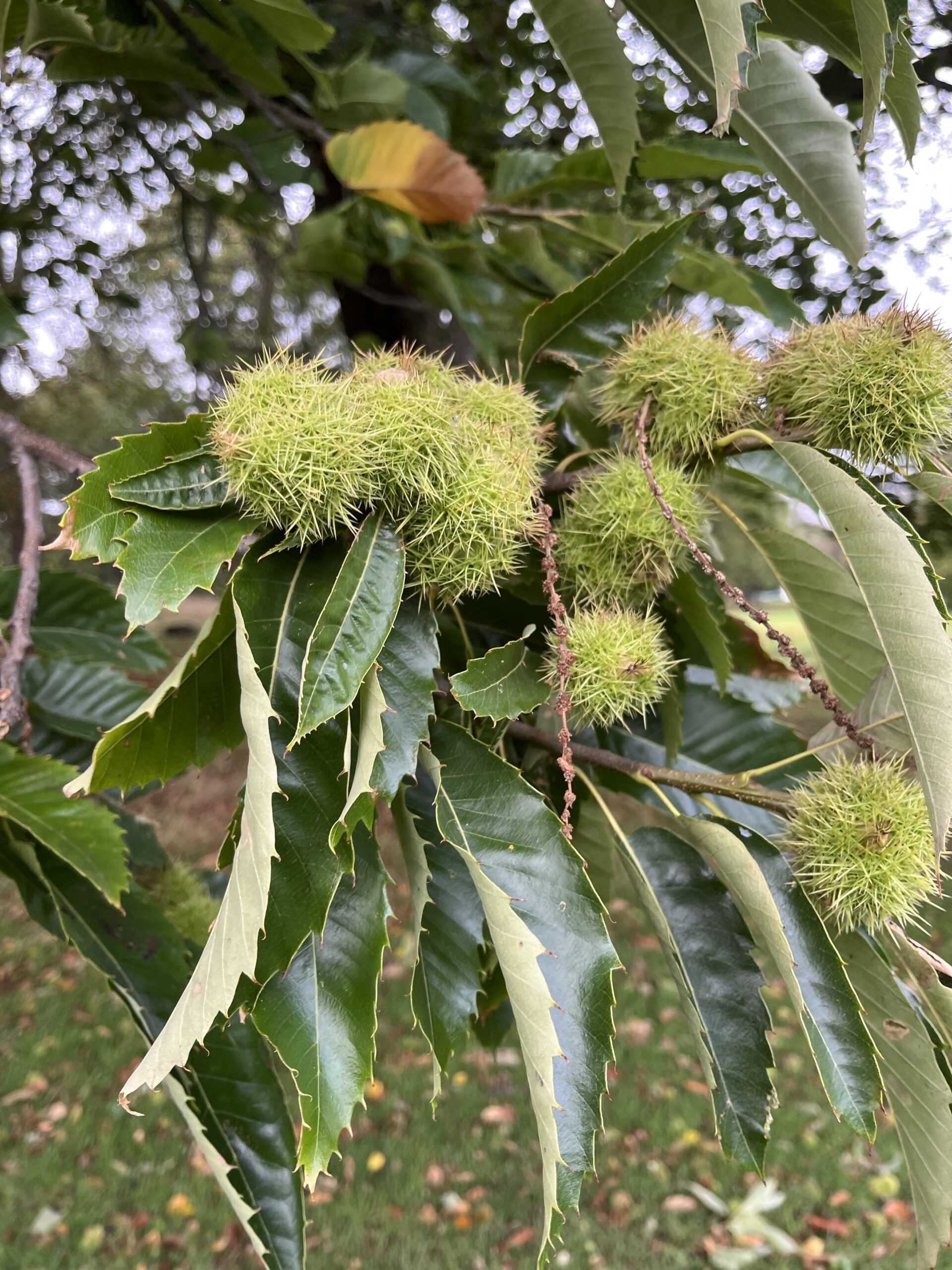
Bumper Harvest: 2025 as a Mast Year
Have you noticed more acorns than usual crunching underfoot this year, or trees heavy with seed pods? These are signs of a “mast year”, a year when certain tree species produce a bumper crop of nuts or seeds. This year many parts of the UK are seeing just that, including here at Birkenhead Park.
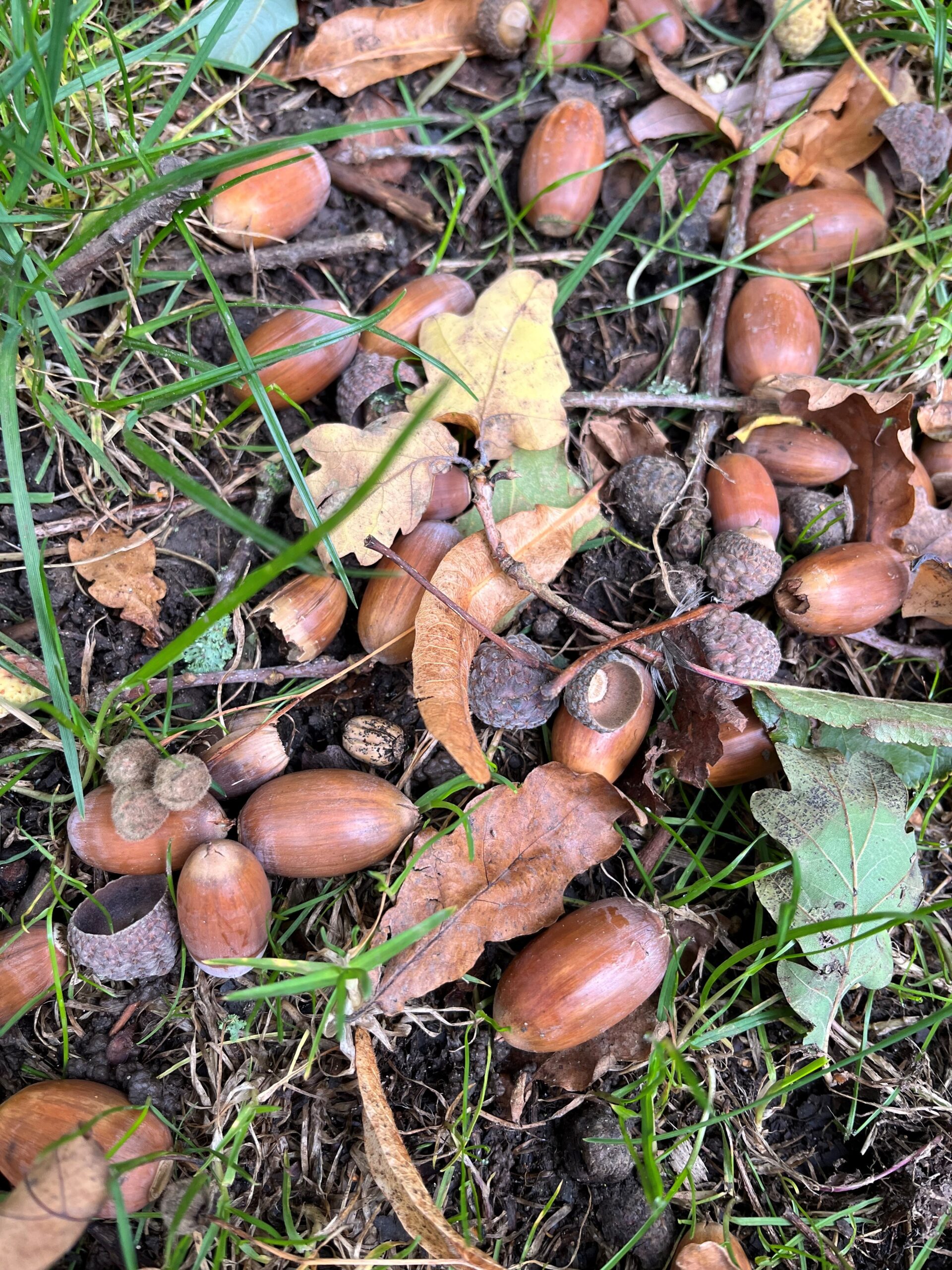
What is a Mast Year?
A mast year is when trees of the same species across a region synchronise and produce lots more seeds or nuts than usual. It doesn’t happen every year – many species do this only every few years (2–5 years, or for heavy mast years even 5–10).
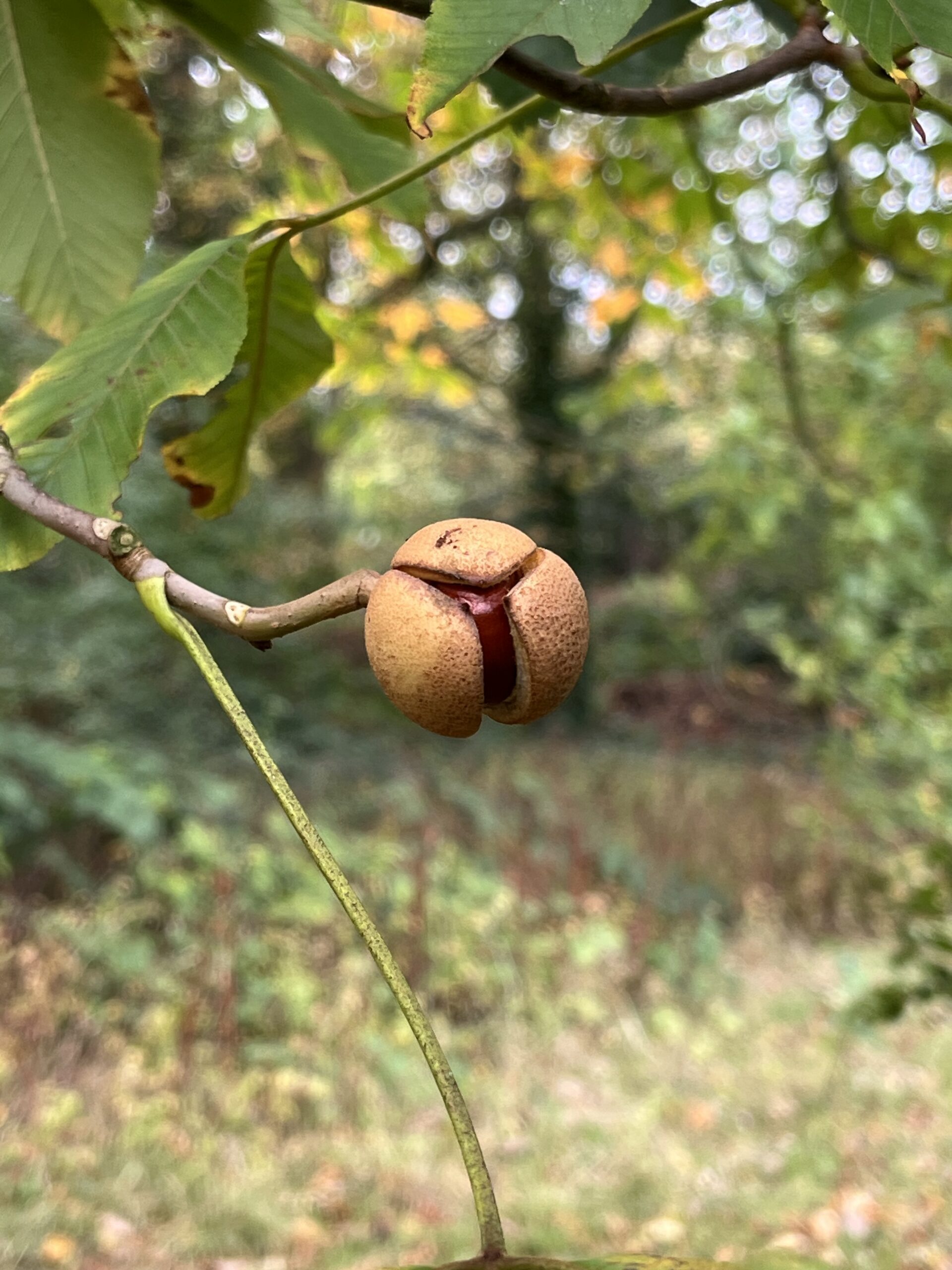
So why do trees do this?
No one fully knows why or how trees coordinate this, but scientists propose a few ideas.
The main idea is referred to as “predator satiation”, which is the idea that by dropping far more food than squirrels, jays and mice can possibly eat, trees ensure some seeds escape and germinate.
Trees often appear to ‘time’ their mast years together, perhaps via fungal networks or chemical signals, so that many individuals in a population mast at once.
Mast years can have an ecological ripple effect. For wildlife, a mast year is a feast! More nuts and seeds mean more food for squirrels, jays and other small mammals and birds, and with this abundance and satiation of predators comes a greater potential for new trees to germinate.
A heavy mast year is expensive for a tree, so the following year typically brings a lighter seed set while the tree replenishes its reserves.
If you spot standout trees or find yourself ankle-deep in acorns, snap a photo and share it with us! We’re building a picture of this year’s hotspots in the park (citizen-science projects use these observations to track how mast years vary across the UK).